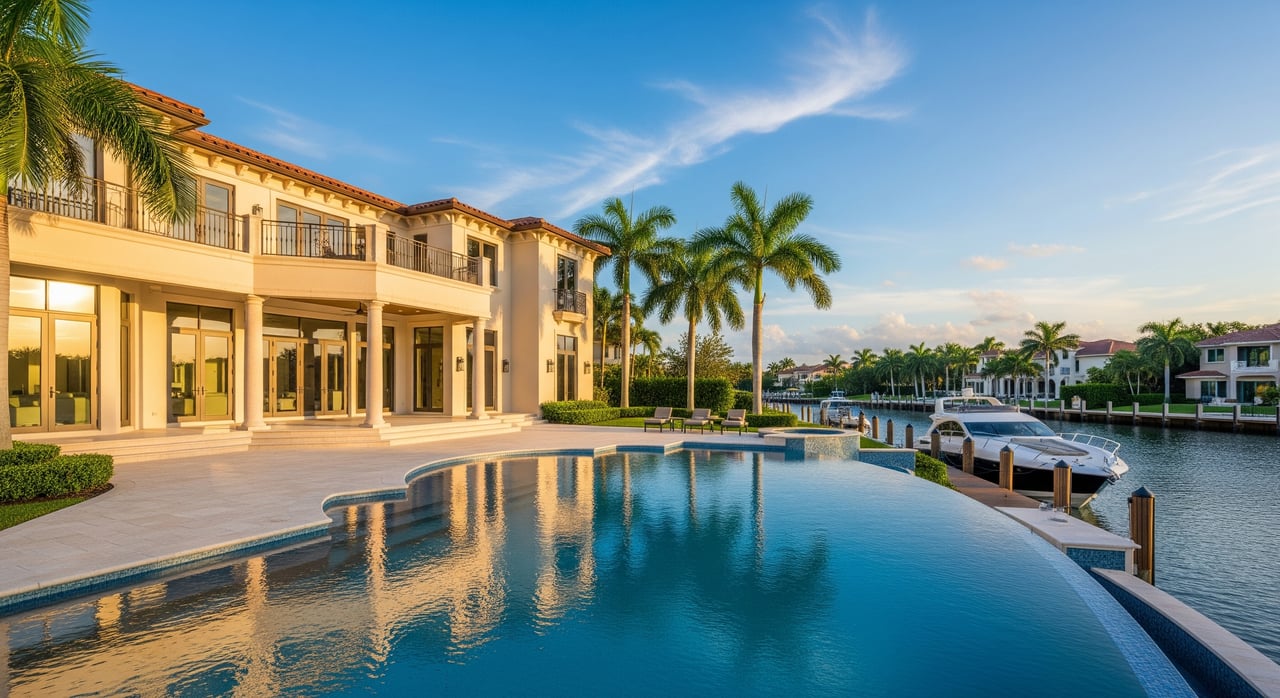
Are you wondering how to price your Weston luxury home so it sells with confidence and without leaving money on the table? In a premium market, the right number is more than a guess. It reflects current demand, the uniqueness of your property, and how well your marketing justifies the price. In this guide, you’ll learn how to define luxury locally, read the market, choose a pricing strategy, and avoid common pitfalls. Let’s dive in.
Define luxury in Weston
Luxury is local. Instead of a fixed dollar figure, think in terms of the top 10 to 20 percent of recent Weston sales. This keeps your pricing grounded in what buyers are actually paying right now.
In Weston, luxury often includes large single-family estates, gated community homes, golf-adjacent properties, and custom builds with premium finishes. When your home sits in this tier, you’ll rely on a broader set of comparables and a more nuanced narrative to support value.
Read the market before you price
Your pricing should reflect real-time conditions. Gather these metrics before you set an asking price:
- Median and average sale price for Weston single-family homes, and for the luxury tier.
- Inventory and months of supply for both the overall market and luxury segment.
- Average days on market for luxury vs. non-luxury listings.
- List-to-sale price ratio and percent of list price received in luxury.
- Share of cash purchases and jumbo loan usage in the luxury tier.
- Buyer origin trends, such as local, in-state, or international interest.
These indicators tell you how much leverage buyers have and how close offers may land to your asking price. Longer days on market and rising luxury inventory signal more flexibility. Short supply and strong absorption support firmer pricing.
Why this data matters
- Days on market and inventory shape your strategy. If listings sit longer, consider market-competitive pricing to spark activity.
- Percent of list price received helps you gauge how aggressive to be. If luxury sales are closing near ask, your list price can reflect that strength.
- Cash share reduces appraisal risks. A higher cash presence can support bolder pricing if your property is exceptional.
What Weston buyers value most
Buyers in Weston’s luxury tier tend to pay premiums for the following:
- Location within gated or country club communities, and proximity to schools and parks.
- Lot and outdoor living features, such as larger lots, mature landscaping, water or preserve views, and private pools.
- Quality and recency of renovations: luxury kitchens, spa-level baths, smart-home systems, and energy-efficient upgrades.
- Amenities: outdoor kitchens, guest suites, home gyms, elevators, multi-car garages, and security systems.
- Community services and HOA reputation, including amenities like tennis, golf, or clubhouse options.
Factors like flood-zone status, hurricane protection, insurance costs, and HOA or CDD fees can reduce the price buyers are willing to pay. Verify these items early and present them clearly to build trust and protect your bottom line.
Choose your pricing strategy
There is no one-size-fits-all number. Match your pricing approach to the property and market conditions.
Market-competitive pricing
- What it is: Pricing in line with the best recent comps to maximize early interest.
- When it fits: Balanced or slower markets, or when your home competes with similar active listings.
- Pros: Strong first 2 to 4 weeks, more showings, potential for multiple offers.
- Cons: If underpriced, you may leave money on the table.
Aggressive premium pricing
- What it is: Listing above the comp range to test the upper limit.
- When it fits: Tight inventory, standout homes with rare features, or trophy locations.
- Pros: Can capture top-of-market results if demand is deep.
- Cons: Higher risk of longer days on market and appraisal shortfalls.
Tiered or psychological pricing
- What it is: Pricing just below common search bands to increase online visibility.
- When it fits: When buyers filter in tight price bands on local search portals.
- Pros: Captures more eyeballs and showings at launch.
- Cons: Requires precise comp work to avoid signaling discount value.
Quiet pre-market or pocket approach
- What it is: Soft-launching to curated, qualified buyers for privacy.
- When it fits: Ultra-luxury sellers who value discretion.
- Pros: Controlled access and confidentiality.
- Cons: Reduced exposure and potentially fewer competing offers.
Appraisal, financing, and risk
Luxury homes face higher appraisal risk because comparables are scarce. Prepare a comp packet for the appraiser that includes similar high-end sales, upgrade invoices, and any off-market data your agent can verify. If an appraisal gap occurs, consider buyers with larger down payments or cash, bridge options, or appraisal contingency terms that allocate risk.
Jumbo financing often involves stricter underwriting and longer timelines. Cash buyers simplify risk and timing. If you expect international interest, plan for potential currency transfer windows in your closing timeline.
Align marketing with your price
High pricing requires high presentation. Professional photography, twilight and drone shoots, cinematic video, 3D tours, and a polished property brochure help justify your ask and attract qualified buyers. Private showings and curated broker events allow serious buyers to experience the property without distractions.
If your goal is a top-of-market price, budget for premium marketing and ensure your agent has the team, systems, and distribution to deliver it. Consistent, high-end marketing is not optional in the luxury tier.
Timing and the first 30 days
The launch window matters. The first 2 to 4 weeks set the tone for exposure and momentum. Monitor showings, online engagement, and feedback closely. If you see light traffic or soft feedback by day 14 to 21, consider a strategy adjustment.
Set review checkpoints at 7, 14, and 30 days with predefined metrics that trigger changes, such as a price refinement, enhanced marketing assets, or targeted outreach to buyer segments.
Insurance, HOA, and cost transparency
Insurance, flood zone, hurricane protections, HOA dues, and CDD fees directly impact what buyers will pay. Verify the home’s flood zone and collect current insurance quotes or estimates before going live. Present fee schedules and any assessments upfront. Clear, early disclosure builds trust and helps prevent renegotiations later.
Florida has no state income tax, but property taxes and local closing costs still affect net proceeds. Ask your title or settlement provider for an estimate so you can price with eyes wide open.
Your pre-listing pricing checklist
Use this checklist to prepare confidently and avoid costly surprises.
- Due diligence: Gather permits, renovation receipts, and contractor invoices. Consider a pre-inspection for roof and HVAC, then complete high-impact repairs.
- Risk and costs: Verify flood zone, obtain insurance estimates, and compile HOA or CDD documents and fees.
- Comparative analysis: Build a CMA with 6 to 12 data points, including closed sales, active competitors, and pending contracts. Expand your time frame to 12 to 24 months if necessary and adjust for condition and lot.
- Marketing package: Plan professional photography, twilight and aerial if appropriate, a 3D tour and floor plans, and a high-quality property brochure. Prepare a digital property book that outlines community amenities and practical details.
- Show management: Require proof of funds or pre-qualification for showings. Decide your policy on offer review timing and escalation or appraisal language.
What to measure after you list
Track and review these metrics with your agent every week:
- Online engagement: views, saves, and click-through rates.
- Showings per week and feedback quality.
- Number and quality of offers: contingencies, financing type, and timeline.
- Time to first substantive offer and progress after price changes.
Ask your agent for a clear rationale behind comps and adjustments, a breakdown of marketing spend, and a projected time to contract with contingency plans if the market shifts.
Avoid these common pitfalls
- Over-relying on national rules that miss Weston’s micro-markets.
- Ignoring flood zone, insurance, and HOA factors that affect buyer decisions.
- Underinvesting in premium marketing while expecting a premium price.
- Failing to prepare for appraisal gaps on unique or trophy homes.
- Not qualifying showings, which wastes time and can risk privacy.
Why choose a proven Weston partner
In Weston’s luxury market, you want a team that blends local mastery with powerful distribution. With an in-house, marketing-led workflow that includes signature video tours, virtual tours, and targeted digital campaigns, plus national and international reach through a premier luxury network, you position your property for maximum exposure and strong negotiation outcomes.
Ready to talk strategy for your home? Connect with The Sklar Team for a customized pricing plan and Request Your Free Home Valuation.
FAQs
How is luxury pricing different from regular homes in Weston?
- Luxury pricing relies on fewer direct comparables, broader time frames, and narrative adjustments for unique features, so it requires deeper analysis and premium marketing.
Should I price high to leave room to negotiate?
- Overpricing can limit early interest and extend days on market. Competitive pricing often generates stronger activity and better net results.
How can I handle appraisal shortfalls on a luxury home?
- Prepare a comp packet and upgrade invoices, consider buyers with larger down payments or cash, and structure appraisal contingency terms to address gaps.
Do HOA, CDD fees, and insurance affect my price?
- Yes. These recurring costs and risk factors influence what buyers are willing to pay. Disclose them early to support a clean, confident deal.
How important is staging and marketing for Weston luxury listings?
- Very important. High-end buyers expect polished presentation. Professional visuals and targeted outreach help justify premium pricing.
Is timing or seasonality relevant in Weston’s luxury market?
- Yes. South Florida sees seasonal buyer influx and international cycles. Align your launch with peak buyer presence when possible.