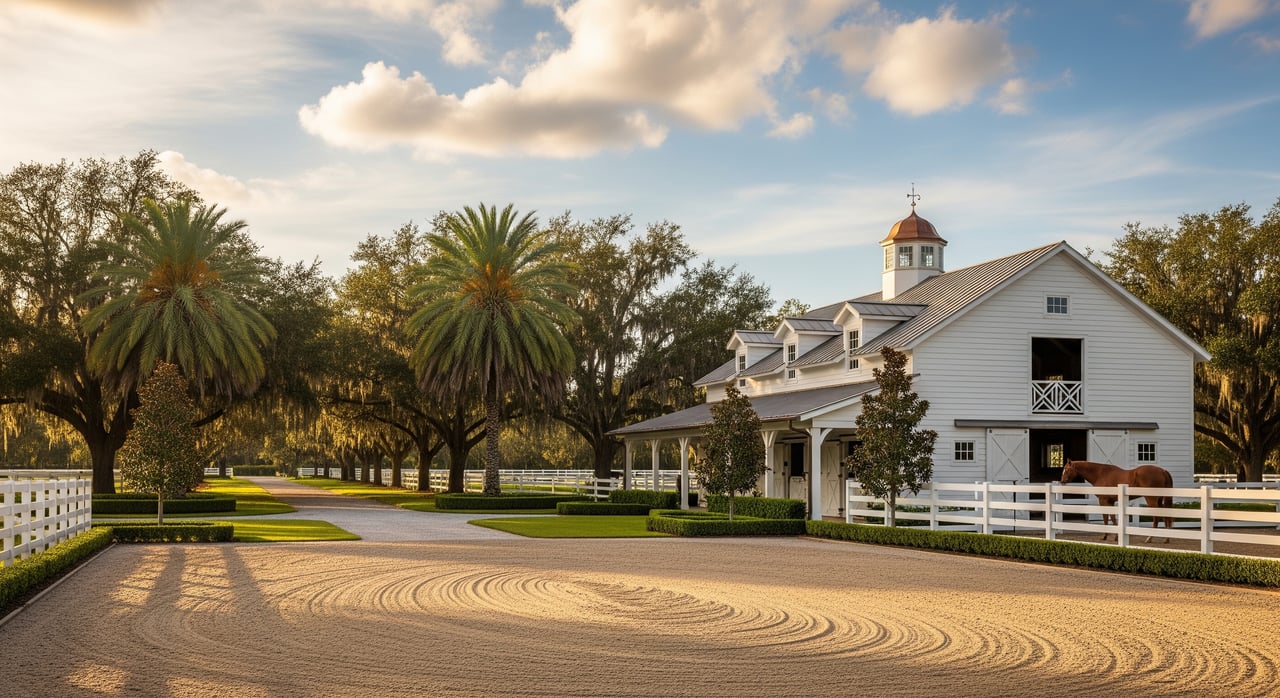
Love the idea of stepping out your back door and saddling up, without leaving Broward County? In Davie, you can enjoy a semi-rural, horse-friendly lifestyle while staying close to the Fort Lauderdale–Pompano Beach–Deerfield Beach metro area. This guide shows you what to look for in a property, how local rules work, and what it costs to keep horses at home. You will also find smart steps for buying or selling and where to plug into the local riding scene. Let’s dive in.
Why Davie fits equestrian life
Davie is Broward County’s best-known equestrian community, with a long history of horse farms and riding facilities. Larger lots and a rural feel make it a standout within an otherwise dense South Florida market. Equestrian properties are a niche segment, and suitable parcels with barns, arenas, and turnout are limited. That scarcity often creates a price premium compared with typical single-family homes.
Davie’s climate is hot and humid, which shapes how you design and manage barns, pastures, and daily care. Because the area is low-lying, you should plan for flood risk and hurricane preparedness as part of your property search and long-term management.
Zoning and rules you should know
Zoning and allowable uses vary by parcel in Davie. Many properties marketed as equestrian allow barns, paddocks, and pastures, but the number of animals and placement of structures can depend on the specific zoning and lot size.
Verify zoning and any HOA
- Ask the listing agent for the property’s zoning designation and any open code issues.
- Confirm permitted uses directly with the Town of Davie and Broward County staff.
- Review HOA covenants or private deed restrictions, which can limit or prohibit livestock even if zoning allows horses.
Permits and approvals
- New barns, arenas, and major fencing projects typically require building permits and code compliance.
- Electrical and plumbing work need separate permits, including requirements related to hurricanes and flood zones.
- Changes that impact drainage or add impermeable surfaces may require stormwater and drainage approvals.
Waste and nuisance guidelines
- Expect rules regarding manure storage, odor, and runoff control.
- Plan for proper manure management to protect neighbors and stay compliant.
Property features that matter most
Focus on usable function, not just acreage. The best equestrian properties balance safe facilities, smart layout, and good drainage.
Lot and usable acreage
- Evaluate how much land is truly usable for turnout and paddocks.
- Consider tree cover, soil, and any low areas that hold water after heavy rain.
Barn and stable layout
- Look at stall number and size, ventilation, aisle width, wash racks, and tack and feed rooms.
- Confirm safe electrical installations and good drainage throughout the barn.
Paddocks and arenas
- Check paddock size, surface, and drainage to reduce mud and injuries.
- Review arena size, footing type, maintenance needs, lighting, and fencing.
Fencing and water
- Inspect fence type, height, visibility, and condition to plan for maintenance.
- Determine water source and pressure, especially for wash areas and any irrigation.
Manure and access
- Identify manure storage or composting areas and removal plans.
- Ensure easy access for trailers, hay deliveries, and safe gate widths and turnarounds.
Design for South Florida conditions
Davie’s climate influences everything from stable airflow to storm planning. Thoughtful design protects horses and preserves your investment.
- Ventilation and heat mitigation: High roofs, cross-ventilation, and well-placed fans help reduce heat stress.
- Hurricane readiness: Secure anchoring for barns and run-in sheds, tie-downs, and a clear emergency plan are essential.
- Fly and mosquito control: Use integrated pest management, good sanitation, and screened areas where practical.
Budgeting ongoing costs
Plan a realistic operating budget. Costs vary widely with the number of horses and the level of amenities.
- Feed and bedding: Hay and specialty feeds can be pricier in South Florida than in interior states.
- Veterinary and farrier: Budget for routine care, vaccinations, dentistry, and emergencies.
- Facility maintenance: Fence repairs, arena grooming and footing top-ups, barn upkeep, and pest control.
- Insurance: Homeowners, equine liability, and possibly livestock mortality. Confirm hurricane coverage for outbuildings.
- Utilities: Water and power for wash racks, fans, and lighting, plus a generator plan for storm season.
- Manure management: Hauling costs or investment in on-site composting infrastructure.
Flood, drainage, and hurricane risk
Davie is low-lying, so flood awareness is non-negotiable. Review FEMA flood zones for any property you are considering and ask for elevation information. Inspect how water moves across the parcel and whether there is a history of standing water. A clear drainage plan, maintained swales, and appropriate arena and paddock surfaces can save you cost and stress.
Riding options and local community
Davie offers public and semi-public trail access and open spaces that riders use frequently. Tree Tops Park in Davie is a popular destination for trails and open riding space. The area also supports private boarding and training facilities, local tack shops, feed suppliers, and equine veterinary and farrier services. You can connect with riding clubs, breed groups, and community events to build your network and find referrals.
Smart buying and due diligence
Buying an equestrian property involves unique inspections and disclosures. Work with an agent who understands the local equine market and the practical realities of barns and acreage.
Inspections and evaluations
- Home inspection plus structural review of barns and outbuildings.
- Fencing and arena assessments for safety and footing quality.
- Pasture and paddock review for drainage, soil compaction, and unwanted plants.
- Water supply testing and septic inspection if applicable.
- Flood zone and elevation checks, with questions about historic flooding.
Financing the purchase
- Standard residential loans can work if the property is primarily a residence.
- If the property is a working farm or business, ask about specialized or portfolio loans.
- Because arenas and barns are unique features, work with lenders and appraisers familiar with equestrian properties.
Insurance priorities
- Confirm homeowners coverage for barns and outbuildings, including hurricane risks.
- Add equine liability coverage and discuss any lessons, clinics, or boarding activities with an insurance professional.
Selling an equestrian property
Buyers focus on function and maintenance. Present your property with clarity and proof.
- Highlight usable acreage, turnout quality, barn condition, fencing type, water availability, and recent improvements like arena footing or new fencing.
- Provide permits, inspection records, drainage solutions, and maintenance documentation. This reassures buyers about compliance and ongoing costs.
- Targeted marketing that showcases equestrian features helps attract the right audience and supports strong offers.
How The Sklar Team helps
You deserve advisors who understand both the emotional pull of equestrian living and the practical steps it takes to get it right. The Sklar Team combines local leadership in Broward County with high-touch, concierge guidance. For buyers, you get a curated search, due diligence support, and strong negotiation. For sellers, you benefit from polished presentation, strategic exposure through Coldwell Banker Global Luxury, and a proven system to reach qualified buyers.
Ready to explore your options or position your property for top results? Connect with The Sklar Team to start a thoughtful, informed plan.
FAQs
Can I keep horses on any residential lot in Davie?
- Not always. You must verify zoning for the parcel, check for any HOA or deed restrictions, and confirm town and county rules that can limit animal numbers and accessory structures.
How much land do I need for horses in Davie?
- It depends on your goals. Smaller parcels can work for hobby keeping with well-designed turnouts, while multiple horses or pasture-based systems need more usable fenced acreage to avoid overgrazing.
What inspections are unique to equestrian properties?
- In addition to a home inspection, arrange structural reviews of barns, fencing and arena assessments, pasture and drainage evaluations, water and septic testing, and flood zone checks.
Are there public places to ride in Davie?
- Yes. Davie includes parks and trails that riders use, such as Tree Tops Park, along with private facilities and clubs that offer training and riding opportunities.
How do Florida’s climate and storms affect barn design?
- You should prioritize ventilation for heat mitigation, plan for integrated pest control, and use hurricane-resilient design with secure anchoring and a clear emergency plan.
What financing and insurance should I expect for a horse property?
- Many buyers use standard residential loans if the primary use is residential. Working farms may need specialized financing. Add equine liability coverage and ensure outbuildings have hurricane protection under your policy.