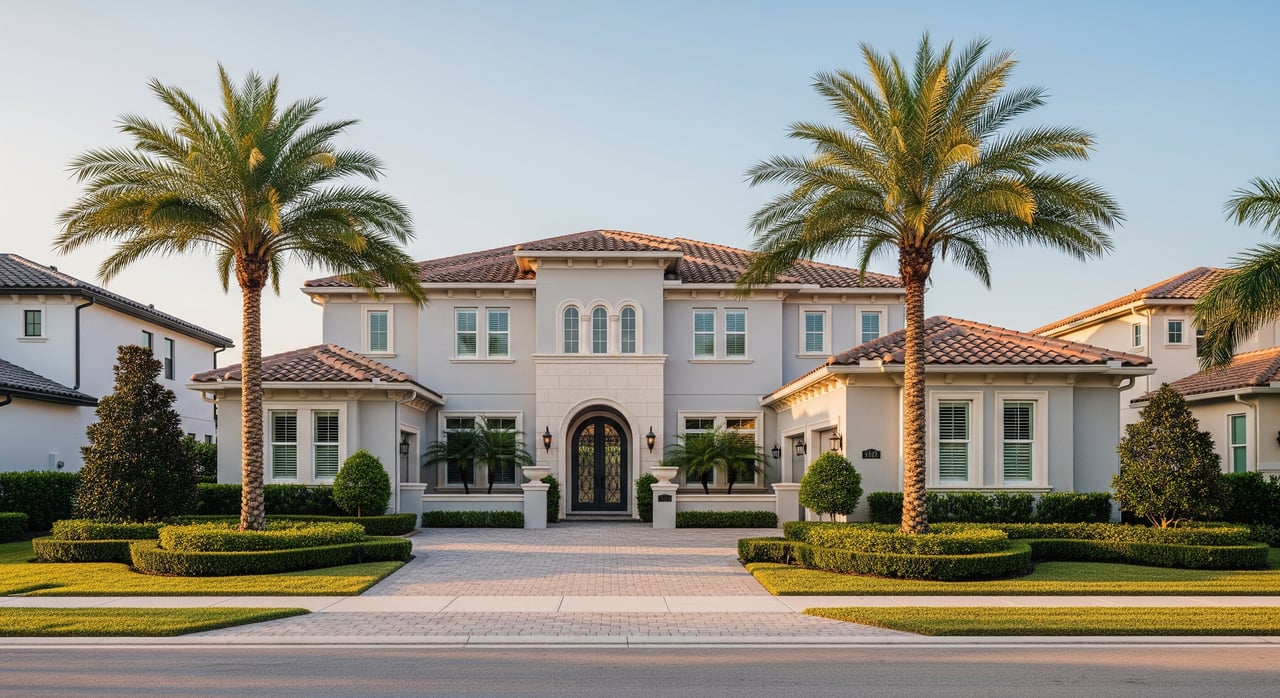
Thinking about buying in Weston or planning a remodel after you move in? HOA approvals can feel confusing, especially when timelines and rules vary from one gated neighborhood to the next. You want a smooth closing and a project that passes both HOA and city review the first time. In this guide, you will learn how HOA approvals work in Weston, what usually requires sign-off, how long it takes, and how to avoid delays. Let’s dive in.
HOA approvals in Weston, explained
Weston’s neighborhoods are part of a master-planned city with many sub-associations. Each HOA sets its own procedures and design standards, so rules can change from one street to another. Your governing documents control the process: CC&Rs, bylaws, rules and regulations, and architectural guidelines.
Florida sets the legal framework. Most single-family communities follow state rules in Florida Statutes Chapter 720 on homeowners’ associations. Condominiums follow Florida Statutes Chapter 718 on condominiums. Your association’s documents sit on top of these laws and outline what you must submit, who reviews it, and how decisions are made.
Approval from your HOA and approval from the city or county are separate steps. HOA approval never replaces a required permit. The City of Weston and Broward County handle building permits and inspections. You can review local permitting resources through the City of Weston Community Development and the Broward County Building Division.
What usually needs HOA approval
Approval needs vary, but these categories are common in Weston communities:
- Architectural or exterior changes. Paint color changes, fences, patios or screen rooms, driveways, roof replacements, windows and doors, exterior lighting, hardscape, pools, and mailbox replacements often require an Architectural Review Committee (ARC) application.
- Major structural work. Pools, additions, re-roofs, significant grading or drainage changes, and large tree removals often require both HOA approval and city or county permits.
- Routine maintenance vs. changes. Like-for-like replacements that match the original look may be considered maintenance. A new color, material, or style usually triggers ARC review.
- Landscaping and tree work. Many communities restrict certain species, require irrigation standards, and regulate removal of protected or specimen trees. Permits may be required for protected trees.
- Satellite dishes, antennas, and solar. HOAs can regulate placement and aesthetics, but federal and state protections limit undue restrictions. Always check your governing documents and applicable state law before you apply.
- Change of ownership. Some master associations require a transfer of membership, a new owner information form, and fees for gate access or barcodes.
- Leasing and tenants. Rules on lease terms, waiting periods for renting, tenant screening, and registration are common. Short-term rentals are often restricted.
- Pets and vehicles. Associations may regulate the number of pets, certain breeds or sizes, and parking rules for oversized or commercial vehicles.
How the approval process works
While procedures differ by association, the workflow is often similar:
- Review your governing documents to confirm what needs approval.
- Prepare the ARC application with site plans, drawings, color or material samples, contractor license and insurance, and your proposed start and finish dates.
- Submit the application and pay the review fee.
- ARC or design review. The committee may request revisions, require neighbor notification, or ask for a variance if you are outside the standard guidelines.
- After HOA approval, apply for required City of Weston or Broward County permits.
- Complete the work as approved. Municipal inspections occur as needed. Your HOA may require a completion sign-off or photos.
- Keep records. If the work deviates from the approval, the association can require corrections and may levy fines under Chapter 720.
Timelines and fees to expect
Most ARC committees meet on a set schedule. Simple, pre-approved items like a paint color from a community palette may be fast. Complex projects such as pools or additions can take longer and may need multiple review rounds. In many Weston HOAs, you can expect a window of about 2 to 8 weeks for architectural approvals, depending on completeness and complexity.
Fees vary by association. You may see nonrefundable application fees, inspection or reinspection fees, transfer or administrative fees at closing, and sometimes an escrow deposit for large projects. Ask your management company or HOA office for current fee schedules.
Permits vs. HOA approval
An HOA approval letter is not a building permit. If your project affects structure, electrical, mechanical, plumbing, or setbacks, you will likely need a municipal permit and inspection. Start with your HOA, then coordinate permitting with the city or county.
- For city permitting guidance and forms, use the City of Weston Community Development.
- For county-level building standards and inspections, visit the Broward County Building Division.
If a city or county permit is granted, you usually still need the HOA’s design approval when your CC&Rs require it. The two processes run in parallel but serve different purposes.
Closing documents and estoppels
If you are selling a home in an HOA, plan for the resale and estoppel process early. Buyers, lenders, and closing agents often need an association disclosure package that includes the CC&Rs, rules, budget, insurance certificate, and financial statements. A key document is the estoppel or resale certificate. It confirms assessments owed, special assessments, account status, and any violations tied to the property.
Turn times are published by many associations and management companies. In practice, sellers often allow 10 to 15 business days for estoppel processing, though it varies by association. Order the estoppel and resale package early to avoid closing delays.
Outstanding assessments, fines, or violations are typically resolved per your purchase contract and documented on the estoppel. Associations in Florida have powers under Chapter 720 to fine, place liens for unpaid assessments, and pursue enforcement. Clarify who will resolve any open items before you get to the closing table.
If you are purchasing a condominium in Weston or greater Broward, the condominium laws and disclosures differ, so also review Chapter 718 and the condo association’s package. The state’s consumer resources for associations are published by the Florida Department of Business and Professional Regulation.
Common roadblocks and how to avoid them
- Incomplete applications. Missing drawings, specs, or contractor insurance slows reviews. Submit a complete packet.
- Noncompliant designs. Proposals outside the guidelines are often denied. Ask about approved palettes and materials before you plan.
- Neighbor input. Some associations require neighbor notice for variances. Speak with neighbors early if your project is close to a shared boundary.
- Delinquent accounts. If a property has unpaid assessments or open violations, membership transfers and gate credentials can be delayed until the account is current.
If your application is denied, expect a written decision with reasons. Your documents may allow an appeal or variance request. For complex disputes, consult counsel familiar with Florida community association law.
Buyer checklist for Weston HOAs
- Review the CC&Rs, rules, budget, and recent meeting minutes for signs of upcoming assessments or large projects.
- Confirm leasing rules, pet policies, and vehicle and guest parking rules.
- If you plan renovations, ask for the ARC submission deadlines, typical review time, and contractor requirements.
- Understand gate access policies and how to register vehicles.
- Ask for the resale package and estoppel as allowed by your contract timeline.
Seller checklist for Weston HOAs
- Order the resale and estoppel package as soon as your property goes under contract.
- Disclose any open violations or balances and agree in writing who will resolve them.
- If you completed improvements, keep approval letters, permits, and final inspections organized for the buyer.
- Provide the buyer with current HOA documents and any known special assessments.
Planning a project: when to start
- Large projects such as pools, additions, or re-roofs. Start HOA applications 2 to 3 months before your ideal start date to allow for review, revisions, and permitting.
- Moderate projects such as fences, patios, or windows. Plan 4 to 8 weeks for HOA review and permitting.
- Minor items such as palette-approved paint. Plan 2 to 4 weeks.
These are planning ranges. Your association may be faster or slower depending on meeting schedules and complexity.
Working with management companies
Many Weston communities use professional management firms. They handle ARC submissions, estoppels, gate credentials, and payments. Ask for the correct contact and submittal method. Some associations offer online portals. A brief, friendly email with your address, scope of work, contractor info, and proposed dates can set the process on the right track.
Final thoughts
The cleanest path through HOA approvals is simple. Read your governing documents, start early, submit a complete application, and track permits with the city or county. Keep communication open with your management company and your contractor. You will save time, reduce stress, and protect your investment.
If you want local guidance on matching your plans to the rules of a specific Weston neighborhood, reach out to The Sklar Team. Our family-led team has deep experience navigating HOA processes across Weston and Broward and can help you plan a smooth purchase, sale, or remodel.
FAQs
How do HOA approvals work in Weston single-family communities?
- Most planned communities follow their CC&Rs and Florida Statutes Chapter 720. You submit an ARC application, the committee reviews it on a set schedule, and you may also need city or county permits.
What requires HOA approval for exterior changes in Weston?
- Common items include paint color changes, fences, patios, pools, windows and doors, roofs, and hardscape. Like-for-like replacements may be considered maintenance, but new colors or materials usually require ARC approval.
How long does HOA approval take in Broward County communities?
- Timelines vary by association and complexity. Many HOAs review simple items quickly, while complex projects may take multiple weeks. Plan for a 2 to 8 week window for architectural reviews.
Do I still need a city or county permit after HOA approval?
- Yes. HOA approval does not replace municipal permits. Check the City of Weston Community Development and Broward County Building Division for permit requirements.
What is an HOA estoppel and when should I order it?
- An estoppel is the association’s official statement of account status and disclosures. Sellers usually order it right after going under contract. Many associations take 10 to 15 business days in practice.
Can an HOA deny solar panels or hurricane protection in Weston?
- HOAs can set reasonable placement or aesthetic rules but cannot impose restrictions that conflict with state or federal protections. Check your documents and applicable law before applying.
Who pays outstanding HOA fines or assessments at closing in Weston?
- This is negotiated in the purchase contract and reflected in the estoppel. Many sellers resolve outstanding amounts before closing, but buyers should verify in writing.
Where can I find official condo and HOA resources in Florida?
- For condos, review Florida Statutes Chapter 718 and the Florida DBPR association resources. For single-family HOAs, see Chapter 720.