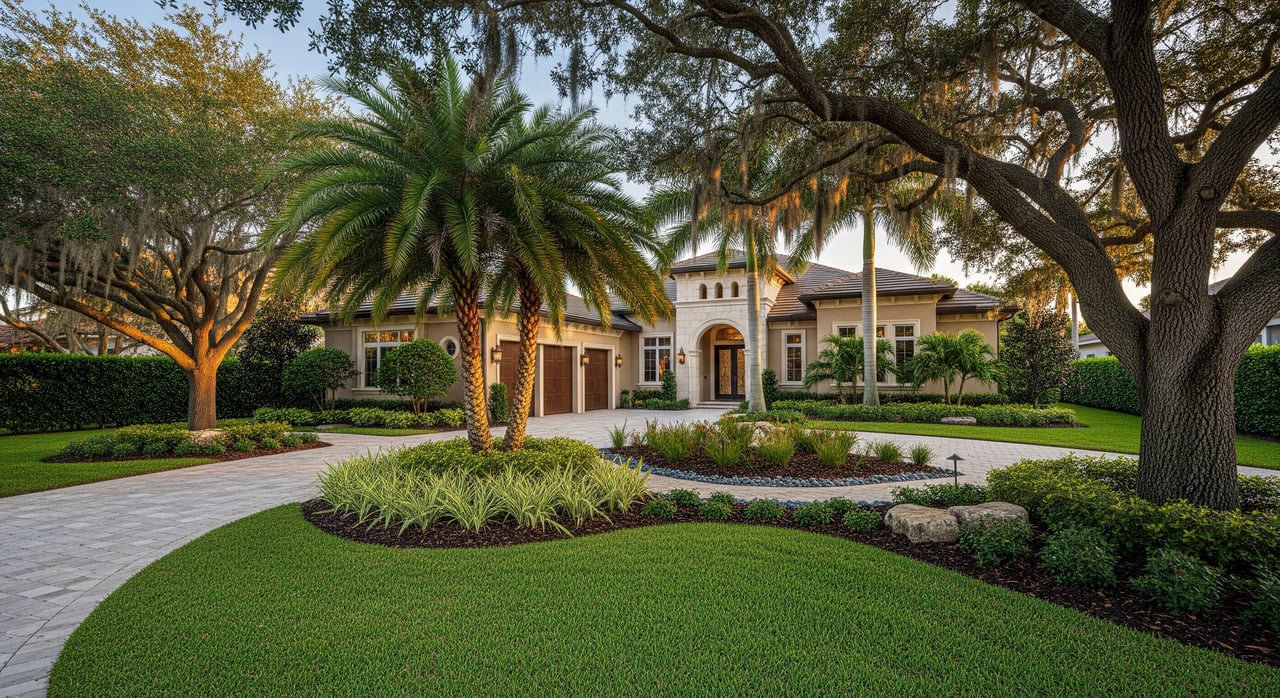
Want buyers to fall in love before they reach your front door? In Davie’s tropical climate, curb appeal is more than a tidy lawn. It is the first signal that your home is cared for, resilient in storm season, and easy to maintain. In this guide, you will learn what works right now in Davie, from quick wins to Florida-friendly plants, smart lighting, costs, and timing that help your home show its best. Let’s dive in.
Why curb appeal matters in Davie
Davie sits in South Florida’s warm, humid environment with mild winters and year-round growth. That means plants grow fast, pests and fungal issues can pop up, and hurricane-season wind is a real factor. Buyers notice clean lines to the entry, healthy greenery, and lighting that feels safe and welcoming. The right upgrades make a strong first impression and reduce concerns about ongoing upkeep.
Neighborhoods across Davie range from equestrian and semi-rural areas to suburban subdivisions. Matching the landscape style to neighborhood expectations helps buyers feel the home fits. Keep it simple, tidy, and scaled correctly to your house.
Start with quick wins buyers notice
Tackle the most visible, low-cost fixes first. You will create a clear path to the door and signal a well-kept home.
- Mow, edge, and remove weeds. Refresh mulch and clean out debris in beds.
- Prune hedges and trees for clear sight lines. Do not block windows or the entry.
- Power-wash the driveway, walkway, and porch. Clean gutters and downspouts.
- Deadhead or replace tired annuals. Add two potted plants at the entry for instant color.
- Fix broken irrigation heads and set a normal schedule. Eliminate soggy spots or standing water.
- Refresh curb details: repaint the mailbox, update house numbers, and clean front door hardware.
These fast moves often deliver the best cost-to-benefit return and set the stage for larger upgrades if needed.
Choose Davie-ready plants
Use the “right plant, right place” approach. Florida-native and South Florida-adapted plants typically require less water, handle humidity, and stand up better to storms. Select wind-firm species, avoid invasive plants, and match mature size to the location so you do not create future maintenance problems.
Feature trees and palms (use wind-firm choices)
- Sabal palmetto (cabbage palm) offers a classic Florida look and good wind tolerance.
- Live oak can create shade and presence where space allows. Give roots room away from structures and hardscape.
- Gumbo limbo is valued for coastal tolerance in South Florida. Place away from roofs and utilities.
Plant all trees with proper spacing and consider how canopies and roots will grow. Keep large species away from foundations, driveways, and overhead lines.
Screening and shrubs (privacy without overgrowth)
- Cocoplum works for hedging or natural forms with a clean look.
- Simpson’s stopper brings tidy structure and can be used near entries when kept low.
- Native viburnums and wax myrtle provide softer screening where appropriate.
Avoid invasive species such as Brazilian pepper. Before buying, confirm plants are suitable for Broward County and will not outgrow the space.
Color and accents (low maintenance, high impact)
- Firebush and lantana offer long-season color and drought tolerance.
- Ixora can perform well with humidity-supportive care near protected entries.
- Bougainvillea delivers bold color on a trellis or wall. Use carefully because of thorns and keep it away from walkways.
Focus accent color near the entry and along the front walk so buyers see your best features first.
Lawns and groundcovers (balance beauty with care)
- St. Augustine and Bahia are common turf choices in Broward. Select quality sod and follow best practices for irrigation and pest management.
- For lower maintenance, consider native groundcovers, mulched beds with clean edging, and reduced turf in tight or shaded areas.
Healthy turf or an attractive turf alternative reads as well-kept. Choose what will remain strong through summer rains and winter dry spells.
Smart hardscape, lighting, and irrigation
Hardscape and systems tell buyers a lot about maintenance and safety.
- Hardscape: Clean, visible walkways and a neat driveway boost first impressions. Pavers or colored concrete can refresh an older path. Keep bed lines defined with simple edging and fresh mulch.
- Lighting: Low-voltage path and accent lighting make evening showings feel safe. Light the address, entry, and one or two landscape features to add depth without clutter.
- Irrigation: A smart controller, drip lines in beds, and properly zoned sprinklers show a water-wise approach. Correct overspray and leaks so buyers do not see waste or puddles.
- Soil and mulch: South Florida soils often need organic matter. Plant at the proper depth, use mulch to retain moisture, and keep mulch pulled back from trunks.
Timing and seasonal strategy
You can plant year-round in South Florida with irrigation, but timing still matters.
- Best windows for major plantings: late fall through early spring. Cooler, drier months reduce stress and avoid peak hurricane season.
- Fertilization and pest control: Follow expert recommendations for South Florida. Avoid heavy fertilizing during the wet season to protect waterways.
- Ongoing care: Plan for regular mowing, edging, and pruning. Humidity can fuel pests and disease, so keep airflow around plants and monitor often.
A simple seasonal plan keeps everything looking crisp from the first showing to closing.
Hurricane-season readiness for curb appeal
Davie homeowners benefit from hurricane-aware landscaping that still looks inviting.
- Choose wind-firm trees and palms and plant them at safe distances from structures.
- Prune dead or weak limbs and remove diseased wood before storms. Do not top trees.
- Secure or remove loose pots and lightweight decor as hurricane season approaches.
- Check that drainage is clear and that no plantings block access or visibility at the front entry.
Buyers will appreciate a home that looks beautiful and prepared.
Permits and environmental considerations
Local codes can affect trees, fencing, driveway work, and drainage. The Town of Davie and Broward County may require permits or approvals for protected tree removal and certain hardscape changes. Always check current rules before starting, and call 811 before digging to locate utilities.
Follow water-use schedules and consider water-wise planting. Florida-friendly landscaping reduces fertilizer runoff, protects canals and waterways, and can lower long-term costs.
Project budgets and timelines sellers love
Every property is different, but these ballparks can help you plan. Local pricing varies, so always get quotes.
- Quick refresh (1 to 3 days): Power-wash surfaces, mow and edge, prune hedges, refresh mulch, and add potted color. Often under a few hundred dollars if DIY or using local services.
- Moderate upgrade (2 to 7 days): Add foundation shrubs, repair irrigation, replace small sod sections or add groundcovers, and install path lighting. Expect roughly $1,000 to $7,500 depending on scope and materials.
- Full overhaul (1 to 3+ weeks): Regrade or amend soil, install a new lawn or large groundcover areas, add trees, upgrade the driveway or walkways, and complete full lighting. Budgets typically start around $7,500 and rise with size and finishes.
Targeted improvements usually deliver the best cost-to-benefit outcome, especially on a tight timeline.
Match your neighborhood style
Curb appeal that resonates in your part of Davie tends to perform best. In equestrian or semi-rural areas, a clean, natural look with layered native plantings often fits. In suburban communities, buyers may expect a tidy lawn, crisp hedges, and a welcoming entry with lighting. Keep proportions right sized, and avoid overplanting that crowds windows or walkways.
A simple 30-60-90 day plan
If you have time before listing, use this phased approach to stay efficient.
90 days out
- Walk your property and note drainage, root issues, and overgrown plants.
- Plan plant replacements and any minor hardscape repairs.
- Order materials and schedule pros if needed.
60 days out
- Install or replace foundation shrubs and accent plants.
- Refresh irrigation zones and convert beds to drip where appropriate.
- Add path and entry lighting and test timers.
30 days out
- Power-wash hard surfaces and clean gutters.
- Edge beds, top off mulch, and add potted color at the entry.
- Do a final prune to open sight lines to the door and windows.
This timeline helps your landscape peak right when professional photos and showings begin.
How curb appeal supports your sale
Well-executed curb appeal can improve buyer perception, increase the number of showings, and help your home feel move-in ready. Industry analyses often point to curb appeal upgrades as cost-effective, with a typical uplift in perceived value in the modest single-digit to low-double-digit range. Your actual results depend on neighborhood norms, project quality, and market conditions, so focus on visible, well-targeted improvements.
Ready to position your Davie property at its best? For tailored guidance on which pre-listing updates deliver the most impact and how to present your home across photos, video, and showings, connect with The Sklar Team. We bring a high-touch, marketing-led strategy to help you earn top results.
FAQs
How much should I spend on landscaping before selling in Davie?
- Start with low-cost, high-visibility tasks like pruning, mulch, power-washing, and lighting checks, then consider larger projects only if your home needs them to compete; get local quotes before committing to bigger work.
Which plants are the lowest maintenance for Davie’s climate?
- Florida-native and South Florida-adapted choices such as cocoplum, Simpson’s stopper, firebush, and wind-firm palms typically offer resilience with less water and fewer pest issues when properly placed.
Do I need a permit to remove a tree or change my driveway?
- You might; the Town of Davie and Broward County regulate protected tree removals and certain hardscape or drainage changes, so confirm requirements and call 811 before digging.
When is the best time to plant in Davie for a sale?
- Major plantings do best in the cooler, drier months from late fall through early spring, though you can plant year-round with irrigation and careful aftercare.
How can I prepare my yard for hurricane season without hurting curb appeal?
- Choose wind-firm species, prune out dead or weak limbs, secure loose decor, and keep entries and drains clear so the property looks safe, tidy, and storm-ready.